Optimizing Marine Energy Utilization in Microgrids for Micro and Light-Duty Electric Mobility Charging
Date:
This talk summaries our efforts in funded project “Optimizing Marine Energy Utilization in Microgrids for Micro and Light-Duty Electric Mobility Charging”
2026 NCROEP Symposium talk
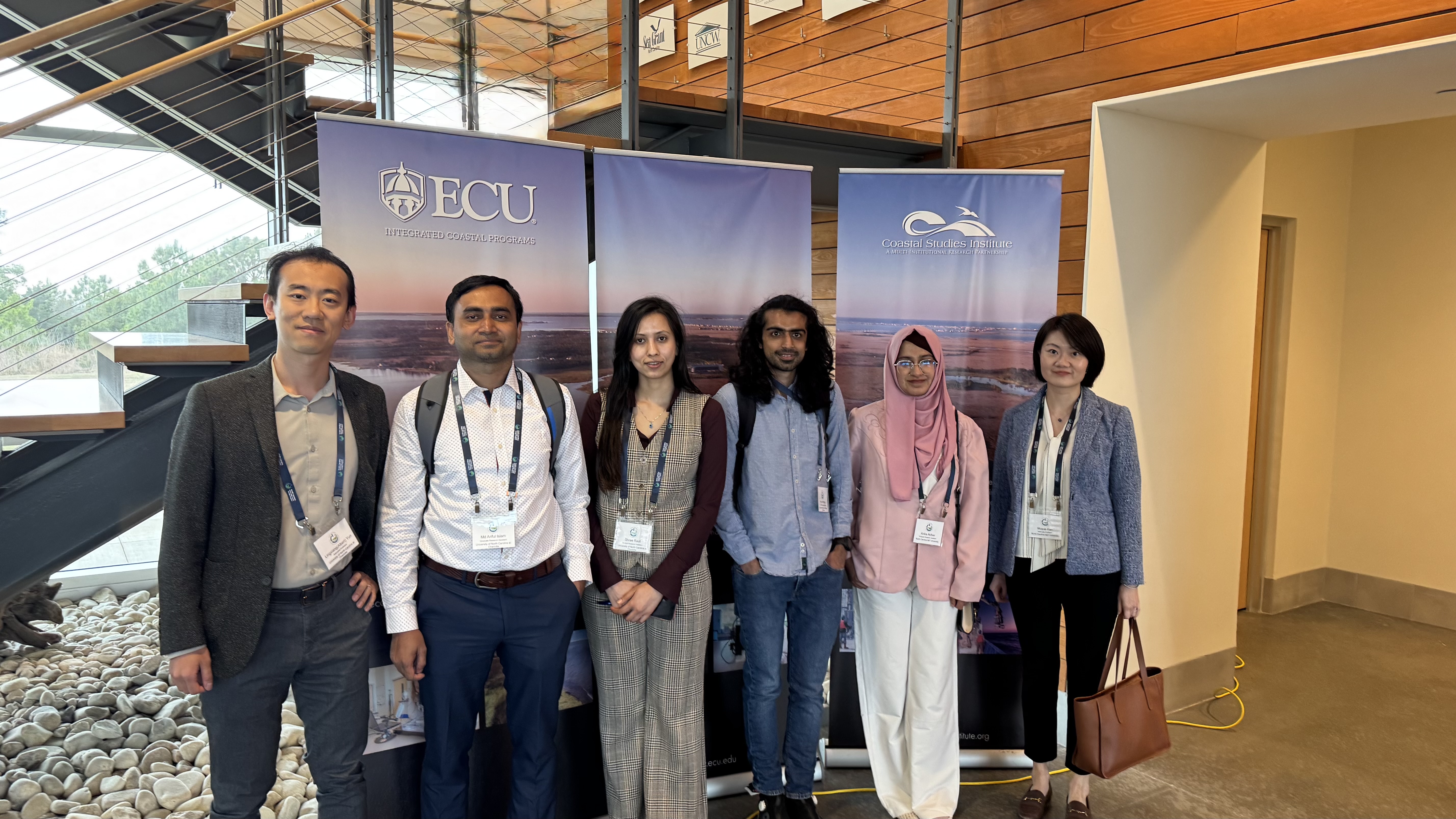
Thank you to Dr. Muyue Han, Dr. Tao Hong, and our students—Omer, Arif, and Anika—for their valuable contributions and dedication to this project.
This project proposes to develop an integrated optimization framework for the planning and operation of EV charging stations with energy storage in ME-integrated microgrids. Motivated by the early-stage development of the Jennette’s Pier microgrid in North Carolina, the study will use this site as a reference case to evaluate system performance under varying levels of ME capacity. The analysis will investigate system performance across multiple mobility scales, ranging from micro-duty modes such as e-bikes and e-scooters to light-duty personal EVs, that are commonly used in coastal tourism and residential settings. By systematically examining different combinations of mobility demand and ME generation capacity, the framework will identify effective strategies for leveraging ME-integrated microgrids to support diverse e-mobility needs. In addition to technical performance, the proposed work will incorporate life cycle assessment (LCA) to evaluate the environmental and resilience benefits of optimized system configurations. By targeting this critical yet understudied intersection between marine energy and multi-modal EV charging infrastructure, the project aims to inform the design of next-generation coastal microgrids capable of supporting sustainable and flexible electrified transportation.